
Whole Genome Sequencing (WGS)
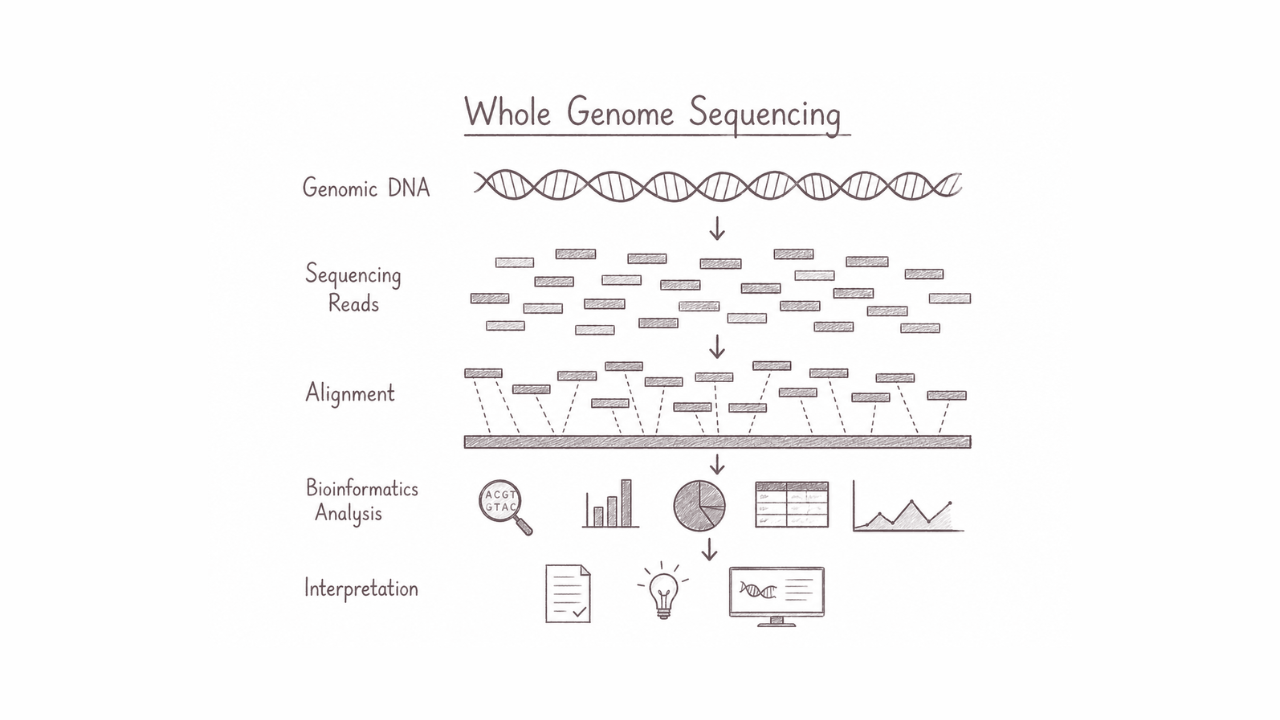
Whole genome sequencing (WGS) determines the complete DNA sequence of an organism's genome at single-base resolution, providing a comprehensive view of all genetic information in a single experiment. This approach enables the detection of single nucleotide variants, insertions and deletions, structural variants, and copy number changes across the entire genome. It is a fundamental technology for disease research, precision medicine, evolutionary biology, and genomic surveillance, delivering the comprehensive genetic insights needed to understand biological function and genetic diversity.
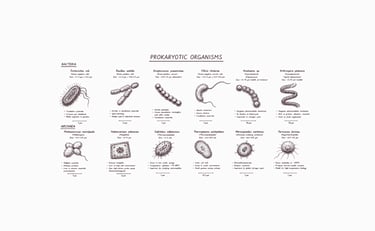
Procaryote Organism
Rp. 6.300.000 ($ 350) per sample
40 days

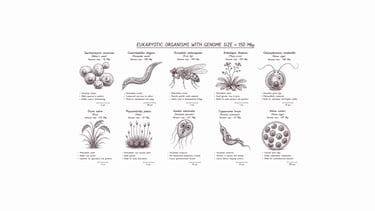
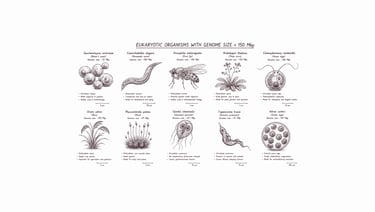
Small-Size Genime Eucaryote Organism (<150Mbp)
Rp. 6.500.000 ($ 365) per sample
40 days
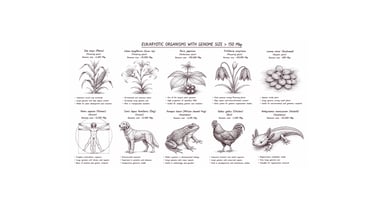
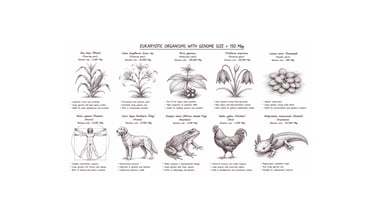
Large-Size Genime Eucaryote Organism (>150Mbp)
Start from: Rp. 37.000.000 ($ 2070) per sample
Start from: 40 days
Sample requirement: ≥40 ng/µL DNA in 20 µL volume (≥800 ng total), A260/280 = 1.8–2.0, A260/230 >2.0, fragment size >20 kb
Sample requirement: ≥50 ng/µL DNA in 20 µL volume (≥2 µg total DNA), A260/280 = 1.8–2.0, A260/230 >2.0, fragment size >20 kb
Sample requirement: 30-40 µg DNA in 20 µL, A260/280 = 1.8–2.0, A260/230 >2.0, DNA fragment N50 >50 kb (preferred >100 kb)
Method & platform: direct sequencing ONT
Method & platform: direct sequencing ONT
Method & platform: ultra long direct sequencing ONT
Default Deliverables
Assembled Genome
FASTA format containing high-quality contigs, scaffolds, or chromosome-level assemblies.Assembly Metrics Report
Comprehensive quality assessment including N50/L50, total genome size, GC content, and genome completeness (BUSCO).Annotation Files
GFF3/GTF: gene coordinates and structural features
CDS sequences (FNA): nucleotide coding regions
Protein sequences (FAA): translated gene products
Functional Annotation
Functional characterisation of predicted genes, including Gene Ontology (GO), KEGG pathways, Pfam domains, InterPro annotations, and more.Standard Variant Discovery
Identification of genomic variations, including Average Nucleotide Identity (ANI), aligned portion, single nucleotide polymorphisms (SNPs), insertions and deletions (indels), and structural variants (SVs).Phylogenetic Analysis
Evolutionary relationship analysis based on conserved genes or whole-genome data. Outputs are provided in Newick (.nwk) format and as publication-ready images (.png).
Add-ons
Basecalling
Hybrid Assembly
Chromosome-level Scaffolding
Repeat Annotation
Epigenomic Analysis
Got any questions?